


Project Chwarae
What is Project Chwarae?
The Football Association of Wales has introduced an independently led review – named Project Chwarae – to consider possible solutions to tackle the increasing number of weather-related postponements that disrupt grassroots matches across Wales, particularly during the winter months.
Grassroots football offers thousands of players the opportunity to enjoy the game, develop their skills, and stay active. However, adverse weather conditions from November to February have led to a growing number of cancelled fixtures impacting player enjoyment, club operations, and overall participation levels.
Recognising the challenge posed by climate change and its effect on the football calendar, the FAW is committed to finding sustainable solutions to ensure that more matches can be played throughout the season. To achieve this, the FAW has undertaken an independently led review that is engaging with key stakeholders and analysing data.
Project Chwarae News
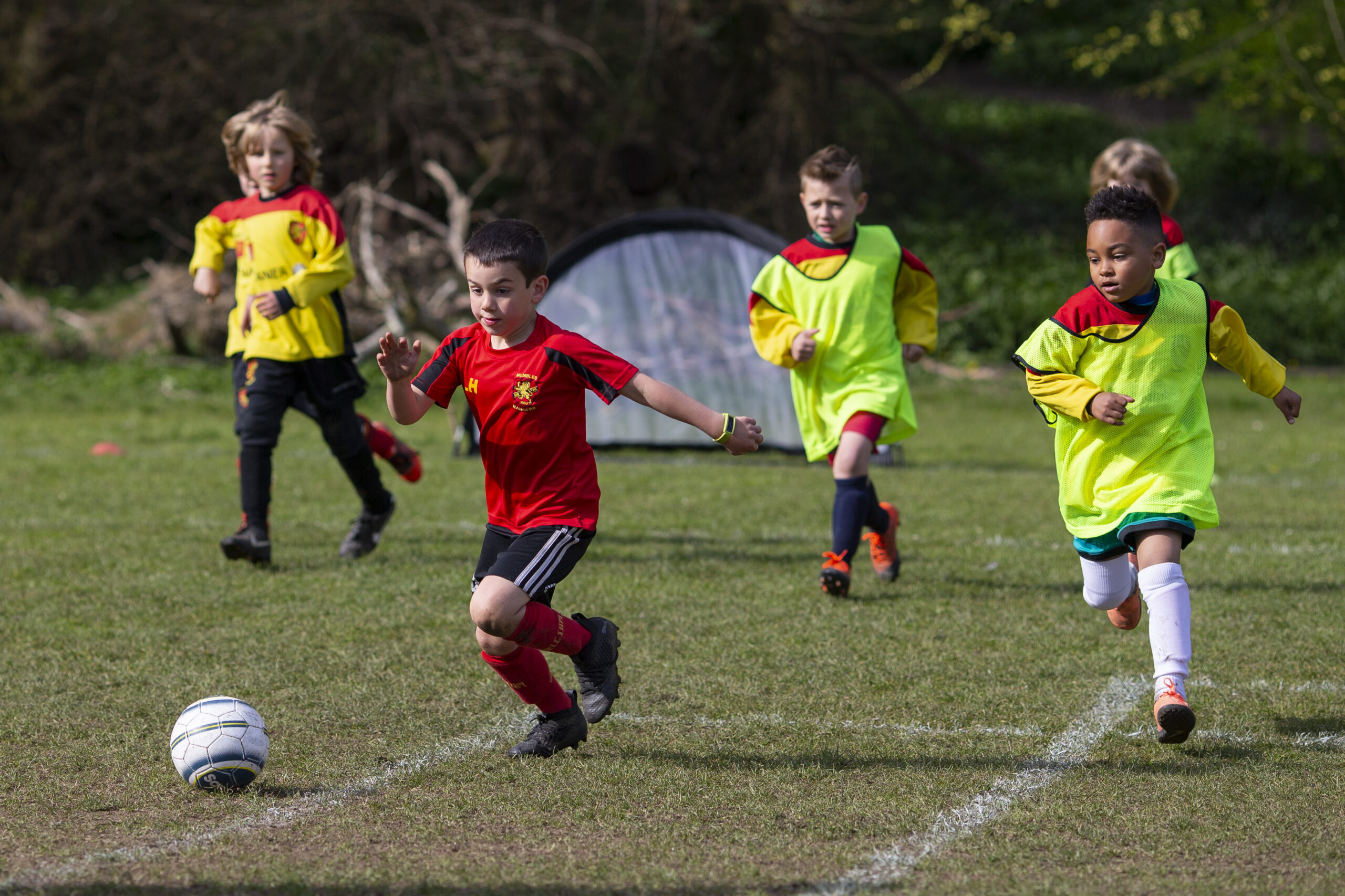
Project Chwarae: Deadline approaches for league interest

Project Chwarae enters next phase with expanded pilot opportunities

Pilot league season concepts to be introduced under Project Chwarae
Watch
Pilot concepts
Watch for more
Key information
Learn more about the project
Pilot FAQs
What are we trying to do and why?
A significant number of grassroots fixtures are being affected by adverse weather each season, causing significant levels of postponements, particularly across November – February.
Project Chwarae is an independently led review into grassroots football across Wales, to explore solutions to reduce weather-related postponements across grassroots football in Wales.
We are seeking to pilot a series of alternative structures with leagues nationwide, in a phased manner during 2026 and 2027.
When are the pilots starting and finishing?
We anticipate that pilots will start from March 2026. The final pilot structures will finish in November 2027.
Who are we piloting new structures with?
We are seeking leagues that wish to participate in the following range of pilots:
PHASE 1 PILOT:Small-sided football (non-competitive U6-U10):
Pilot 1a. Moving playing period from March 2026 – November 2026 with flexible mid-season break (likely August).
PHASE 2 PILOTS:Small-sided football (non-competitive U6-U10):
Pilot 2a. Extending flexibility of season to run from August 2026 until July 2027
Pilot 2b. Moving playing period from March 2026 – November 2026 with flexible mid-season break (likely August).
Junior competitive football (U12-U15):
Pilot 2c. Extending flexibility of season to run from August 2026 until July 2027
Pilot 2d. Moving playing period to run from March 2027 – November 2027 with flexible mid-season break (likely August).
Adult competitive football (U17-adult):
Pilot 2e. Extending flexibility of season to run from August 2026 until June 2027
Pilot 2f. Moving playing period to run from March 2027 – November 2027 with flexible mid-season break (likely August).
Pilots will not include U11s, U16s or adult men’s football Tiers 4 and below and women’s football Tiers 3 and below.
Why should my league get involved?
This is an important project for grassroots football in Wales and we are keen to understand whether we can reduce the number of fixtures postponed due to weather and improve the experience for everyone involved in the sport.
We are keen for leagues to support us with this as we would like a substantive body of evidence upon which to base future decisions. This is an opportunity for you and your league to be involved in seeking improvements to grassroots football across the country.
Why are U11s & U16s omitted from the pilots?
U11s are not included to ensure the transition from small-sided non-competitive football to competitive football between U11s & U12s in not disrupted as a result of the pilot.
Due to the important exam period for Under 16s across May – June and the likely disruption of moving current season structures to impact this period, we have taken the decision to omit Under 16s from the pilot to enable them to focus on their studies.
Why are adult men’s football Tiers 4 & above and adult women’s football Tiers 3 & above omitted from the pilot?
Due to the complexities of promotion and relegation, linked to FAW National Pyramid at these Tiers, these levels of football have been omitted from the pilot
How are we ensuring that the pilots are robust and fair?
We are conscious that any change to the current season’s structure may be significant and have therefore created a series of principles to underpin our pilots.
We will seek geographic representation across all six Area Associations, as well as a diverse group of leagues (including gender, urban vs rural etc.). There will be two pilot concepts piloted per age group, with multiple leagues participating in each structure.
We will monitor a control group for each age group, consisting of leagues that are not changing their existing structure, to be able to effectively compare the impact of any change.
What does success look like for the pilots?
We wish to capture as much data and insight as possible regarding the impact that alternative season structures may have on the number of games postponed across Wales and the overall experience. Understanding the impact of the pilots will inform the FAW what, if any, change should be considered to strengthen grassroots football across Wales in the future.
What happens after the pilots are finished?
Firstly, it is important to be clear that no decision on any future changes will be taken until the full impact of Project Chwarae pilots are understood and reviewed. The final pilots for Project Chwarae are anticipated to finish in November 2027 and so the findings will be reviewed shortly after these are completed.
If, following the findings of the pilots, changes are proposed, the FAW will consult with key stakeholders such as Area Associations, local authorities, leagues and clubs before considering possible implementation of any changes.
What about player registration and rule changes required for any change?
We are in the process of developing a set of temporary rules, regulations and player registrations requirements for the Project Chwarae pilots. For pilot 1, players will remain with the same age group until the end of the pilot period (i.e. Nov 2026) and no new registration will be required during the pilot season.
Affected leagues and clubs will be supported through this process by project / FAW staff.
Can a player move from a winter team to a summer team in the same year?
As a traditional league will not finish before a March-November season begins, it will not be possible for a player to transfer between two teams competing in different structures.
Some volunteers may have to work 12 months if teams change to summer league – how do we deal with this?
We appreciate that for some leagues, the burden upon volunteers and administrators may be increased across a temporary period.
Due to the nature of this project and the current grassroots season structure, any pilot to be trialled will be imperfect in some regard. We will identify those leagues and volunteers most effected by any increased workload and provide them with ongoing support to help reduce the impact of any additional burden.

What support is available during the pilot?
FAW is committed to providing pilot leagues with ongoing support to help their continued involvement in the project.
We will provide participants with:
- A dedicated point of contact for queries and issues
- A Project Chwarae webpage, providing regular updates and news about the project and its progress
- Guidance across key aspects of pilot delivery e.g. recommendations for mid-season breaks, managing the fixture list, uploading of fixture data on COMET
- Support in holding conversations with local authorities or other relevant organisations regarding pitch access
- Templates to aid communications with your clubs (for participating leagues)
What do League administrators need to do across the pilot?
We require League administrators to support us to monitor and evaluate the pilot, and we will be carrying out research activity to help build our evidence-base.
This will include:
- A consistent approach to uploading fixture data on COMET
- Attendance at focus groups across the pilot (1.5-2hrs each)
- Discussing your experience with FAW and project staff who visit your matches (max. monthly)
- Encouraging clubs & stakeholders (parents, coaches etc) to complete monthly experience survey (5-7 mins to complete)
- Completing 2x one-off 5-minute surveys
What do League administrators need to do?
In the first instance, league administrators will need to express an interest in participating in a pilot, should they wish to do so.
We will also run a series of information workshops to introduce the pilots in more detail, explain the process for involvement and answer any questions. Further specific league meetings will also take place as required to support a league’s involvement.
All participating leagues will be required to sign an SLA which will outline the commitment of leagues and the FAW as part of their involvement in the pilots.
What if clubs or leagues have an issue, who do they talk to?
Each league will be supported by the relevant FAW Club Development Officer for their region or any members of the Project Chaware project team.
How do the pilots affect new U6s (current U5s) and when would they be able to start playing U6 football if the league season is changed?
The FAW is determined to ensure that the pilot process does not prevent children from starting their football journey and so current U5s (new U6s) will be able to start as usual in the September they become U6.
Can clubs that run multiple age groups across different formats be part of the pilot?
Yes, Clubs delivering multiple age groups and formats are eligible to take part in the Project Chwarae pilot.
What happens if a club withdraws from the pilot mid-season?
If a club withdraws mid-season, this should be communicated as early as possible to the project team within the League so the appropriate adjustments can be made. Learnings from the withdrawal will be captured to inform future delivery and any support will be reviewed in line with pilot SLA. Best endeavours will be made to place the club into a league who remains outside of the pilot.
What discussions have taken place with local authorities regarding pitches?
Initial discussions have taken place with all local authorities to outline the aims and principles of the project and explore capacity implications. Ongoing support and engagement will continue throughout the pilot to address availability, scheduling and any emerging operational issues.
How will grass pitch maintenance and recovery be considered?
Grass pitch maintenance and recovery will be factored into planning through dialogue with pitch providers and local authorities. Scheduling and usage will be monitored to balance participation with pitch quality, ensuring appropriate rest and recovery periods where required.
What happens if a pilot structure is shown to have negative impacts?
If a pilot is shown to have negative impacts, it will be reviewed promptly and adjustments may be made where necessary. Protecting participant experience and reducing cancellations due to bad weather remains the priority and any learning will directly inform the ongoing delivery and future iterations of Project Chwarae.
How will any different health and safety risks (heat, hydration, scheduling) be managed?
Health and safety risks will be managed through clear guidance on heat, hydration and scheduling, aligned with existing safeguarding and welfare policies. Regular communication through the League will ensure participant wellbeing remains central throughout Project Chwarae.
When will findings from the pilots be shared?
The first pilots will conclude in November 2026, Initial findings and insights from Project Chwarae are expected to be shared in early 2027 to inform future decision-making and delivery. The second pilots will not finish until November 2027 and so the final findings from the project are expected in late December 2027.